top of page
Butterfly populations are a very good indicator of the health of an area's ecosystem !!


Also known as the Satyr Anglewing, the Golden Comma or the Western Comma.
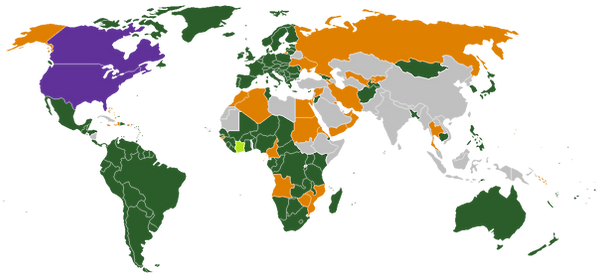
Polygonis satyrus is a North American butterfly primarily found in western Canada.
Their preferred terrain includes valley bottoms, along streams, wooded prairie ravines, marshes, openings in stream side woods, fields and edges near moist woods.
There are two to three flights on the Pacific Coast from February - November and two flights in Colorado, Nevada, and Saskatchewan from June - September with one flight in the remainder of their range from July -September.
Their dorsal side wings are bright yellow orange with forewings having two black spots near the center of bottom edge.
The hindwings lack a dark border, and have a black spot in the center of each wing.
The ventral side is light and dark golden brown and the median band is relatively straight.
Their hindwings have a silver comma on the ventral side in the center.
With their wings folded up, they blend well with tree bark and leaves, as the wing's outer edges resemble those of dead leaves.
They are swift flyers that rarely fly any great distance before landing.
Satyr Comma is very similar in appearance to Oreas Comma.
There are no management needs reported and conservation is not usually required.
Avg. wing span: 4.5 - 6.4 cm / 1 3/4 - 2 1/2 “.
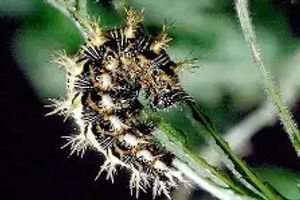
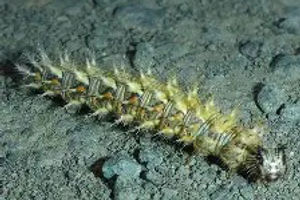
Diet: caterpillars feed on various Nettles (Urticaceae species).
Diet: adults take tree sap, rotting fruit and flower nectar from blackberry and almond, among others.
Family: Nymphalidae (Brush Footed)
* NCGR: G5 – Polagonia satyrus is demonstrably secure globally, though it may be quite rare in parts of its range, especially at the periphery.
The single biggest threat to butterfly survival is habitat destruction!!
bottom of page