top of page
Butterfly populations are a very good indicator of the health of an area's ecosystem !!


Also known as the Ruby-black Mahaon or the Red-spotted Swallowtail.
Papilio anchisiades are found primarily in tropical regions from southern Texas to Argentina.
Their preferred habitats are lowland tropical forests, citrus groves, gardens.
They are a predominantly black butterfly with a wingspan of 7 to 10 cm.
Their forewings are elongated, with a white spot along the posterior edge, however, this spot can sometimes be absent.
On the ventral side, the spot is slightly larger and more diffuse.
The hindwings have a wavy, slightly whitish edge and distinct red to pinkish spots of varying size.
The ventral side is similar, but the spots are slightly less intensely colored and do not necessarily match those on the dorsal side.
Unlike other Papilio species, the Red Spotted Swallowtail does not have a tail at the tip of its hindwings.
This species resembles the females of the genus Parides, which includes poisonous species.
Males exhibit a special mating behavior called "hill topping."
They group together on small hills and present themselves to females.
The male with the highest position in the hierarchy sits at the top.
Females visit the hills and choose a male.
Males are also very territorial.
When two males meet, they "fight" for territory. They fly in spirals, rising higher and higher until one of the males concedes.
The more dominant a male is, the higher he flies.

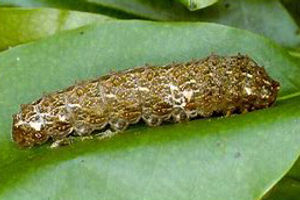
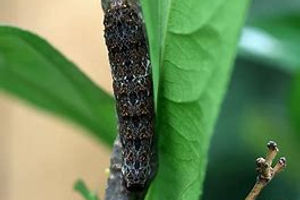
Diet: caterpillars feed on various species of the family Rutaceae, including Citrus, Casimiroa, and Zanthoxylum species.
Diet: adults feed on flower nectar, and the males will also puddle to gain needed salt and minerals.
Avg wingspan: 7 - 10 cm / 2.75 – 3.98 “
Family: Papillionidae

The single biggest threat to butterfly survival is habitat destruction!!
bottom of page