top of page
Butterfly populations are a very good indicator of the health of an area's ecosystem !!


Also known as the Graceful Anglewing.
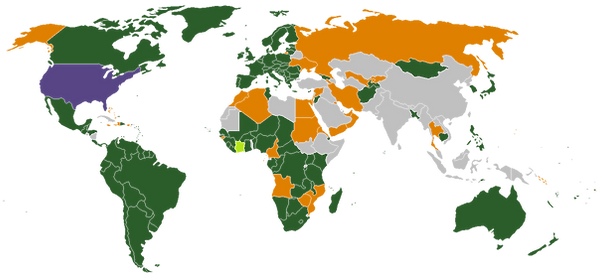
Polygonia gracilis is a species of butterfly common in boreal North America from Alaska, across southern Canada to New England and the Maritime Provinces and south to New Mexico from the Rocky Mountains to the Pacific Ocean.
Their wings have a distinctive ragged edge.
Their preferred habitat includes Conifer or mixed woods often near streams, prairies, meadows of plains, foothills and alpine mountainous territory.
They are primarily seen on wing in the daytime from the last week of May to the last week of July.
They survive the winter in the adult stage in diapause ( Diapause is a physiological state in insects that allows them to suspend development and enter a period of dormancy in response to adverse environmental conditions, and then mate and lay eggs in the spring.)
Butterflies emerge from their chrysalids in midsummer.
In the afternoons, males perch on plants in valley bottoms seeking females.
Eggs are laid on petioles and undersides of host plant leaves.
Caterpillars eat leaves and rest underneath. Adults hibernate.
Overwintered adults emerge and lay eggs in spring thru June.
The new generation appears in July and flies thru September, then hibernates.
They have one generation per year.
They overwinter as adults, and when the adult females emerge in spring they lay their eggs in early June and then die.
They have dark red to orange dorsal wings with ragged edges and gray to brown ventral sides that carry a silver to gray “Comma” shaped mark on each hind wing.
The eastern Hoary Comma has bright white on the ventral side wing that contrasts much more than it does on the western Hoary Comma.
Conservation is not usually required.
Avg. wingspan: 3.9 - 5.7 cm / 1.5 -2.25 “.
Diet: caterpillars feed on shrub leaves such as Currant (Ribes), Western Azalea (Rhododendron occidentale) and Mock Azalea (Rhododendron menziesi).
Diet: adults feed on tree sap and nectar from Sweet Everlasting (Gnaphalium) as well as other flowers. Adults will also “puddle” to take beneficial salt and minerals from moist soil.
Family: Nymphalidae (Brush Footed)
The single biggest threat to butterfly survival is habitat destruction!!
bottom of page