top of page
Butterfly populations are a very good indicator of the health of an area's ecosystem !!


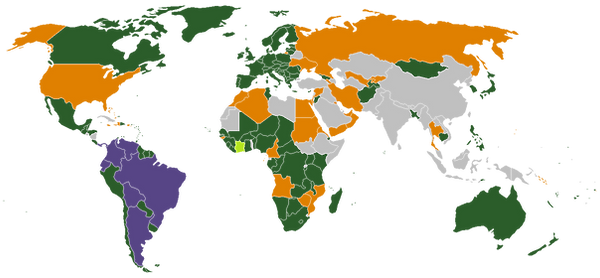
Methona confusa can be found in Brazil, Equador, Panama, Peru, Venezuela, Bolivia, Argentina, and Colombia.
Specifically, M. confusa can be found in the Amazon basin.
They are often found in montane forests and mountains such as the Andes with elevations as high as 3,500 m.
Their wings do not have nanostructures and thus are transparent and reflective.
They have black margins and black cross bars on the forewings and the hindwings.
Small white spots are present along the margin of the wing on the ventral side of the wing while there are also white spots on the abdomen and the thorax.
The antennae are black with yellow tips.
When mating, males will copulate with females in two sequences.
The male will grab onto the female and they will fall to the ground.
In the second sequence, the male will leap onto the female while flying.
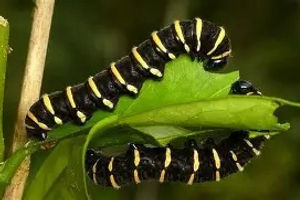
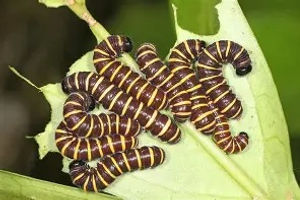
The population of M. confusa has been declining, which could be due to predation during the larval stage from ants and birds.
During the pupal stage, they are impacted by parasitoid wasps (Eulophidae) and fungi.
Other potential predators include birds, small mammals, spiders.
They will live approx. 14 days as adults.
Avg. wingspan: 8 - 11 cm / 3.15 - 4.33 “.
Diet: larva feed primarily on the leaves of Urticaceae plants.
Diet: adults shift to a diet of nectar. This diet provides the energy necessary for their flight and reproductive activities, underscoring the importance of floral diversity in their ecosystems.
Family: Nymphalidae (Brush Footed)
* As members of the Nymphalidae (Brush Footed) family, they will use their shorter pair of front legs for food tasting, and their two pair of longer rear legs for propulsion.
The single biggest threat to butterfly survival is habitat destruction!!
bottom of page